Winter Garage Door Care: Preventing Cold-Weather Breakdowns
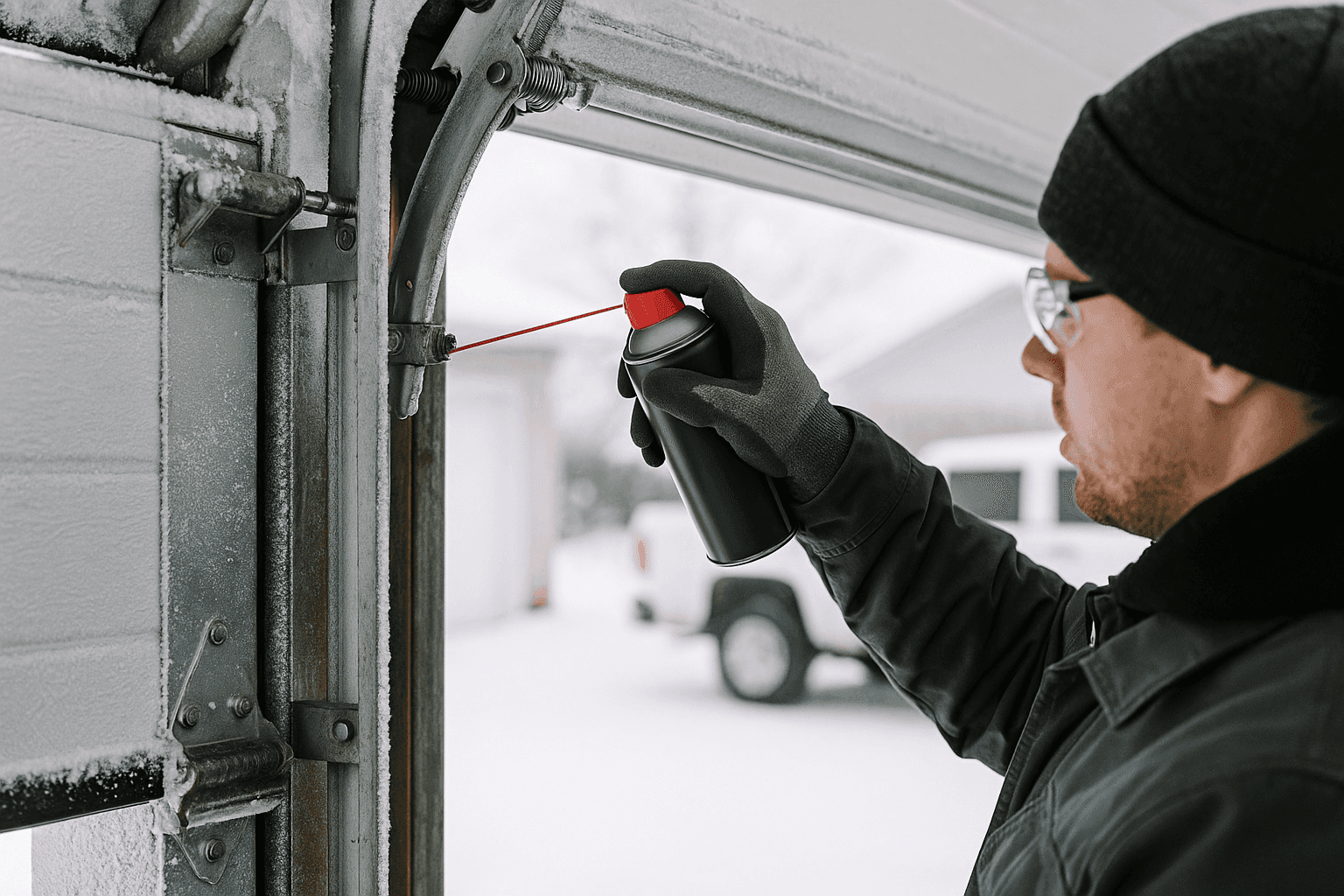
Winter’s chill doesn’t just sting your cheeks—it can freeze your garage door in its tracks. For homeowners and small business owners, a stuck or broken garage door during a cold snap is more than just an inconvenience. It’s a security risk, a safety hazard, and one more headache you don’t need.
At ANIGarage Doors, we know how harsh winter can be on garage doors. Our team handles emergency garage_doors calls around the clock, and we’ve seen firsthand how a little winter care can keep your door running strong when it matters most.
Understanding Winter Risks for Garage Doors ❄️
When temperatures drop, garage doors face a gauntlet of challenges. Metal contracts and becomes brittle. Springs lose flexibility. Tracks can freeze, and moisture sneaks into places it shouldn’t.
Here’s what winter can throw at your garage door:
- Frozen Tracks: Water or melted snow can settle in the tracks and freeze overnight, causing doors to jam or move unevenly.
- Brittle Springs: Springs are like the muscles of your garage door. In cold weather, they can snap without warning, leaving your door stuck.
- Opener Malfunctions: Cold can affect the electronics and batteries in your garage door opener, reducing reliability or stopping it altogether.
- Stiff Rollers and Hinges: Lubricants thicken in low temperatures, making rollers and hinges squeak, groan, or seize up.
- Weatherstripping Damage: Rubber seals can crack or lose flexibility, letting in drafts, water, or even pests.
Ignoring these risks can lead to a sudden breakdown—often at the worst possible moment.
Essential Winter Maintenance Tasks
A little attention now can save you from a frozen garage door or a costly emergency call later. Here’s how to keep things moving:
- Lubricate Moving Parts: Use a silicone-based lubricant on rollers, hinges, tracks, and springs. Avoid grease, which thickens in the cold.
- Inspect Weatherstripping: Check for cracks, gaps, or brittleness. Replace damaged seals to keep out cold air and moisture.
- Clean and Align Safety Sensors: Gently wipe sensors with a soft, dry cloth. Make sure nothing blocks the beam and that sensors are aligned.
- Test the Door Balance: Disconnect the opener and lift the door manually. If it feels heavy or slams shut, the springs may need attention.
- Check Opener Battery and Backup: Cold drains batteries fast. Replace weak batteries in remotes and keypads.
Regular maintenance helps prevent most winter garage door headaches. For step-by-step safety and maintenance tips, the International Door Association and Door & Access Systems Manufacturers Association (DASMA) offer helpful guidelines.
How to Prevent Garage Door Freezing
A frozen garage door is like a car stuck in a snowdrift—going nowhere fast. Here’s how to keep yours moving:
- Improve Drainage: Make sure water flows away from the garage threshold. Clear snow and ice buildup regularly.
- Add Insulation: Insulated garage doors help keep the temperature stable, protecting springs and openers from extreme cold.
- Apply De-Icer: If you notice ice forming along the bottom seal, use a safe, non-corrosive de-icer. Avoid rock salt, which can damage metal and concrete.
- Keep the Area Dry: Sweep or squeegee water away from the door after storms or snowmelt.
A little prevention goes a long way toward avoiding a stuck door on a freezing morning.
When to Call for Emergency Garage Door Services 🚨
Not every winter garage door problem can wait. Here are signs you need help—fast:
- Broken Springs: If your door slams shut or won’t open, a spring may have snapped. Don’t try to fix it yourself—springs are under high tension.
- Stuck or Off-Track Door: If the door is jammed, crooked, or makes grinding noises, call a professional right away.
- Opener Failure: If the opener clicks, buzzes, or doesn’t respond, especially after a power outage or freeze, it could be an electrical issue.
- Visible Damage: Dented panels, frayed cables, or loose tracks are safety hazards that need immediate attention.
A malfunctioning garage door can trap your car, expose your property, or even cause injury. ANIGarage Doors offers emergency garage_doors services 24/7, so you’re never left in the cold.
Quick Winter Garage Door Safety Checklist
- Test the auto-reverse feature monthly.
- Keep the area around the door clear of snow and ice.
- Never attempt to repair high-tension springs yourself.
- Check for unusual noises or jerky movement.
- Replace remote and keypad batteries before winter.
- Inspect cables for fraying or rust.
Staying proactive helps you catch problems early and keeps your garage door safe for everyone.
DIY vs. Call a Pro
Some winter maintenance is safe for handy homeowners. But when it comes to repairs, know your limits.
DIY Tasks:
- Lubricating hinges, rollers, and tracks
- Wiping sensors and cleaning weatherstripping
- Replacing remote batteries
Call a Pro For:
- Spring replacement
- Cable repair or replacement
- Track realignment or repair
- Opener electrical issues
- Panel or roller replacement
Garage door systems are heavy and under tension. Attempting complex repairs without the right tools and training is risky. When in doubt, call ANIGarage Doors.
What Pros Do On Arrival
When you call for emergency garage_doors help, here’s what to expect:
- Thorough Inspection: We check all moving parts, springs, cables, tracks, and the opener for damage or wear.
- Safety Assessment: Our techs ensure the door is safe to operate before any repairs begin.
- Precision Repairs: Using industry-standard tools and parts, we fix or replace broken components.
- Preventive Advice: We’ll show you how to keep your door running smoothly and spot future issues early.
Our technicians follow safety guidelines from OSHA and DASMA to protect you and your property.
Prevention & Maintenance
Want to avoid midnight emergencies and costly repairs? Make winter garage door care a routine:
- Schedule a professional tune-up before the coldest months.
- Keep tracks, rollers, and hinges clean and lubricated.
- Replace weatherstripping every few years or as soon as it shows wear.
- Test the balance and auto-reverse features regularly.
- Upgrade to an insulated or custom garage door for better performance in extreme weather.
Regular care can double the lifespan of your garage door and opener.
Costs & Time Factors
Garage door repairs range from a quick tune-up to full component replacement. Here’s what to expect:
- Minor Maintenance: Lubrication, cleaning, and weatherstripping—usually less than an hour.
- Spring or Cable Replacement: 1–2 hours, depending on door type and condition.
- Opener Repairs: 30–90 minutes for diagnostics and repair.
- Emergency Services: Fast response, but complexity and timing can affect duration and cost.
Investing in preventive care is almost always less expensive than waiting for a breakdown.
When It’s an Emergency
How do you know if your garage door issue is urgent? Ask yourself:
- Is the door stuck open or closed, leaving your property vulnerable?
- Do you hear loud snaps, grinding, or see visible damage?
- Is the opener unresponsive after a power surge or freeze?
- Are cables or springs visibly broken or loose?
If you answer yes to any of these, call for emergency garage_doors service immediately. Delaying can lead to bigger, costlier problems—or even injuries.
Winter Garage Door Care FAQ
How often should I lubricate my garage door in winter?
Every two to three months, or whenever you hear squeaks or grinding.
What’s the safest way to de-ice a frozen garage door?
Use a plastic shovel to gently clear ice, and apply a safe de-icer to the threshold. Never force the door open.
Can I replace weatherstripping myself?
Yes, if you’re comfortable with basic tools. Measure carefully and choose weatherstripping rated for cold weather.
Is an insulated garage door worth it in winter?
Absolutely. Insulated doors reduce heat loss, protect components, and help prevent freezing.
Special Considerations for Winter Garage Door Service
- Commercial Properties: Heavier doors, higher usage, and security needs make prompt repairs even more critical.
- Custom or Older Doors: Unique parts may require special ordering—plan ahead for winter checks.
- Safety First: Never bypass safety sensors, even temporarily. They’re there to prevent accidents.
ANIGarage Doors is ready for any challenge, from routine winter prep to late-night emergencies. Our technicians are trained, equipped, and always focused on your safety.
Call ANIGarage Doors now — or reach us anytime at 855-538-5829 .