Garage Door Springs 101: Costs, Lifespan, and Safe Replacement
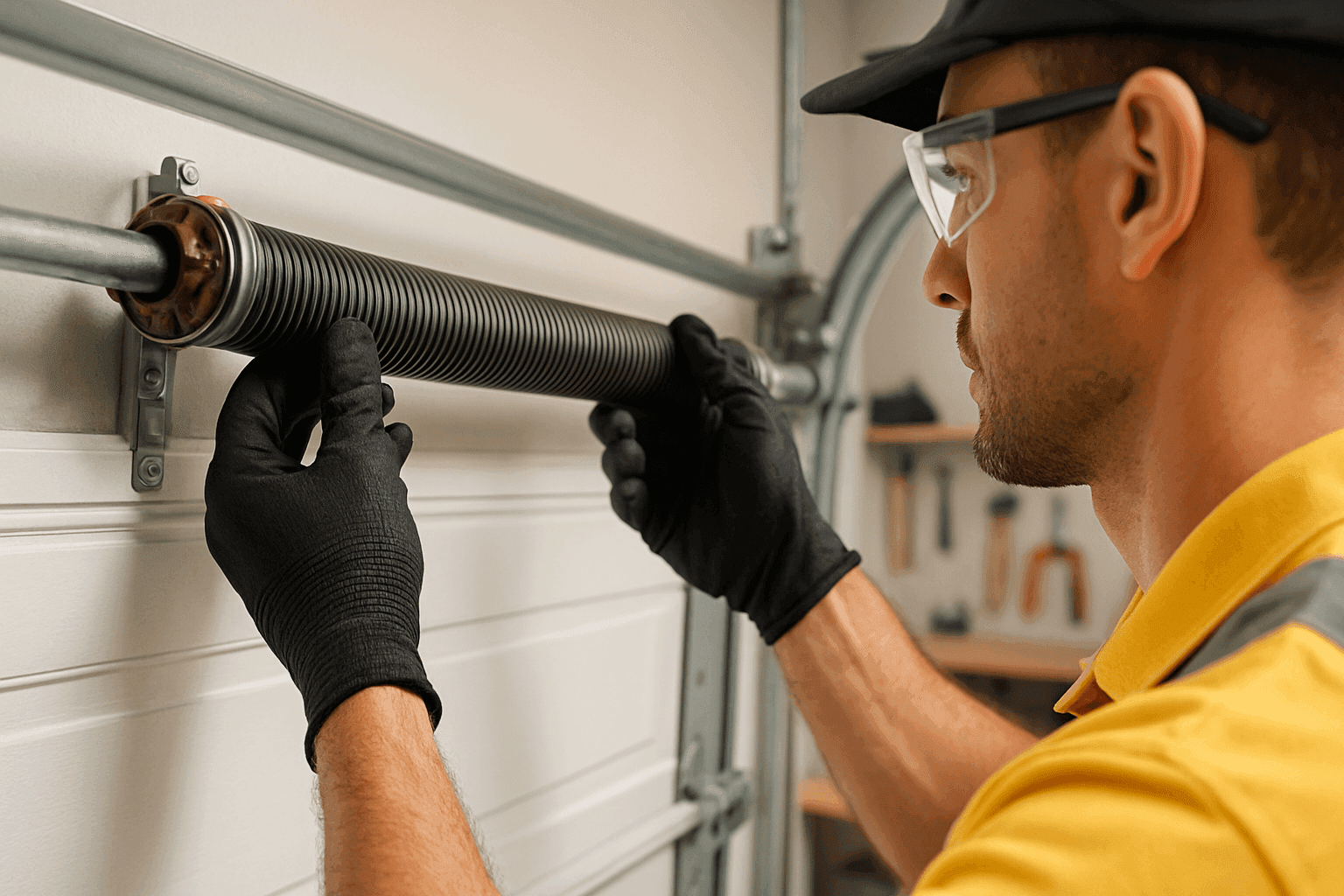
Your garage door is more than just a barrier—it’s the everyday shield for your home and family. But when something as invisible as a spring lets go, it can throw your whole routine into chaos. If your garage door suddenly slams shut, won’t budge, or makes a thunderous bang, a broken spring is often the culprit.
At ANIGarage Doors, we’ve seen every garage door scenario imaginable. Homeowners call us panicked, wondering what went wrong and how serious it is. Knowing how garage door springs work, what they cost to fix, and how to spot trouble early can save you time, money, and hassle.
Why Garage Door Springs Matter More Than You Think
Imagine lifting a full-grown adult every time you open your garage door. That’s the job your springs do—bearing hundreds of pounds with every use. Most people never notice them until something snaps.
Garage door springs are the muscle behind the movement, making heavy doors feel light and smooth. When they fail, your garage door can become dangerous or completely stuck, trapping your car or leaving your home exposed.
Types of Springs: Torsion vs. Extension
There are two main types of springs found in residential garage doors:
- Torsion Springs: Mounted above the door, twisting to create lifting force. They’re common in newer doors and generally safer, longer-lasting, and quieter.
- Extension Springs: Run parallel to the door tracks on both sides. They stretch and contract with each open and close. You’ll find these more often on older or lighter doors.
Most modern homes use torsion springs, but either type can wear out or break after years of use.
What Impacts Spring Lifespan? 🔧
Springs, like car tires, wear out naturally—even the best ones. Here’s what affects their longevity:
- Cycles: One full open and close equals one cycle. Most springs are rated for 10,000 cycles, which is about 7–10 years with normal use.
- Weight/Balance: Heavier or unbalanced doors put extra stress on springs.
- Material Quality: High-tensile steel lasts longer, but cheaper springs wear faster.
- Maintenance: Lack of lubrication or ignoring small issues leads to faster failure.
- Climate: Humidity and temperature swings cause rust, corrosion, or metal fatigue.
Using your garage like the front door? Expect springs to wear out faster.
How Climate and Usage Change the Game
If you live somewhere with harsh winters or high humidity, your garage door springs work harder. Cold temperatures make metal brittle, while moisture leads to rust.
Frequent use—think kids coming and going, or using your garage as the main entry—adds extra cycles. For homes in extreme climates or with heavy daily traffic, springs may need replacing more often.
The Danger Zone: Signs of Failing Springs
A door that suddenly feels heavy, jerky, or crooked is waving a red flag. Other warning signs:
- Loud bang or snap noise from the garage
- Door opens a few inches and stops
- Visible gap in the middle of the spring (for torsion springs)
- Cables look loose or tangled
- Door slams shut or won’t stay open
Never ignore these symptoms. Springs can fail without warning, and a broken spring can seriously injure anyone nearby.
Quick Safety Checklist for Homeowners
- Never attempt to lift a stuck garage door by hand.
- Don’t try to adjust or remove springs yourself.
- Keep children and pets away from malfunctioning doors.
- Unplug the opener if the spring is broken.
- Call for professional help immediately.
According to the U.S. Consumer Product Safety Commission, thousands of garage door-related injuries occur yearly—many from DIY attempts.
DIY vs. Call a Pro: Why Spring Repair Isn’t a Weekend Project ⚠️
Changing a garage door spring isn’t like swapping a lightbulb. The stored energy in springs can turn them into whips if released incorrectly. Even experienced DIYers have ended up in the ER.
YouTube makes it look simple, but without proper tools and training, it’s risky. Professionals use winding bars, safety equipment, and follow strict procedures based on manufacturer and ANSI/DASMA safety standards.
If you’re tempted to tackle it yourself, weigh the risk: saving a few dollars versus your safety and possibly the cost of a new door if things go wrong.
What to Expect When You Call a Pro
When you call ANIGarage Doors or any reputable technician, here’s how a typical service call works:
- Inspection: The tech checks the type, size, and condition of your springs.
- Diagnosis: They look for related issues—cables, rollers, tracks, opener function.
- Quote: You get an upfront estimate for parts and labor (no guesswork).
- Replacement: The tech safely removes old springs, installs new ones, and balances the door.
- Testing: Multiple open/close cycles ensure smooth, safe operation.
- Cleanup: Old parts are removed, and you get tips for future maintenance.
Professionals follow the Door & Access Systems Manufacturers Association (DASMA) guidelines for installation, repair, and safety.
Prevention & Maintenance Tips to Extend Spring Life
Want your springs to last longer? Here’s how:
- Lubricate springs and moving parts every few months with a silicone-based spray.
- Schedule annual garage door maintenance to catch small issues early.
- Listen for strange noises or rough movement—and address them quickly.
- Keep the area around the door clean and dry to prevent rust.
- Avoid slamming or forcing the door if it’s stuck.
A little care now can add years to your springs and save you from emergency repairs.
Costs & Time Factors: What Homeowners Should Know 💸
Spring replacement costs depend on several factors:
- Type of Spring: Torsion springs generally cost more than extension springs.
- Number of Springs: Some doors have two springs for better balance.
- Door Size/Weight: Heavier doors require sturdier (and pricier) springs.
- Labor: Rates vary based on your area and the complexity of the job.
On average, replacing a pair of springs takes 1–2 hours. Most homeowners can expect to pay a moderate fee for professional installation, with prices reflecting parts, labor, and safe disposal of old components.
Requesting “Garage Door Springs near you” helps ensure you get a local, certified pro familiar with your door’s brand and model.
When It’s an Emergency: Don’t Wait
A broken spring can leave you stranded—especially if your car is trapped inside or you can’t secure your home. Emergency garage door services mean you won’t wait days for a solution.
Signs you need urgent help:
- Door is stuck halfway open or closed
- Safety or security risks (can’t close/lock door)
- Damage to cables, tracks, or panels
- Loud, sudden spring break with no warning
Quick, professional response prevents further damage and keeps your home safe.
FAQ: Garage Door Springs
How do I know if my springs are about to fail?
Look for changes in how the door moves, odd noises, or visible gaps in the springs.
Can I open my garage door with a broken spring?
It’s not recommended. Doing so can damage your opener and possibly cause injury.
How often do springs need replacement?
Most last 7–10 years, but high usage or poor conditions can shorten that lifespan.
What’s included in a professional spring replacement?
Inspection, removal, installation of new springs, balancing, and safety checks.
Local and Seasonal Factors That Affect Your Garage Door Springs 🌡️
If you live where winters are frigid or summers are damp, you’ll want to pay extra attention to your garage door’s health. Seasonal transitions can make metal contract or expand, putting additional stress on springs.
- Winter: Cold snaps make springs brittle—lube them before the first freeze.
- Spring/Autumn: Fluctuating temps lead to condensation and rust.
- Rainy/Humid Areas: Keep springs dry and rust-free with regular maintenance.
Ask your technician about weather-resistant springs or insulated garage doors for extra protection.
Keep Your Garage Door Springs Healthy—and Your Home Safe
Ignoring a worn-out spring is like ignoring a ticking clock. Timely replacement saves you from bigger headaches—like bent panels or a broken opener. Regular checkups and smart maintenance keep your garage doors running smoothly and your family safe.
If you notice warning signs or want peace of mind, don’t wait for a breakdown.
Call ANIGarage Doors now — or reach us anytime at 855-538-5829 .