How to Diagnose Common Garage Door Issues (And When to Call a Pro)
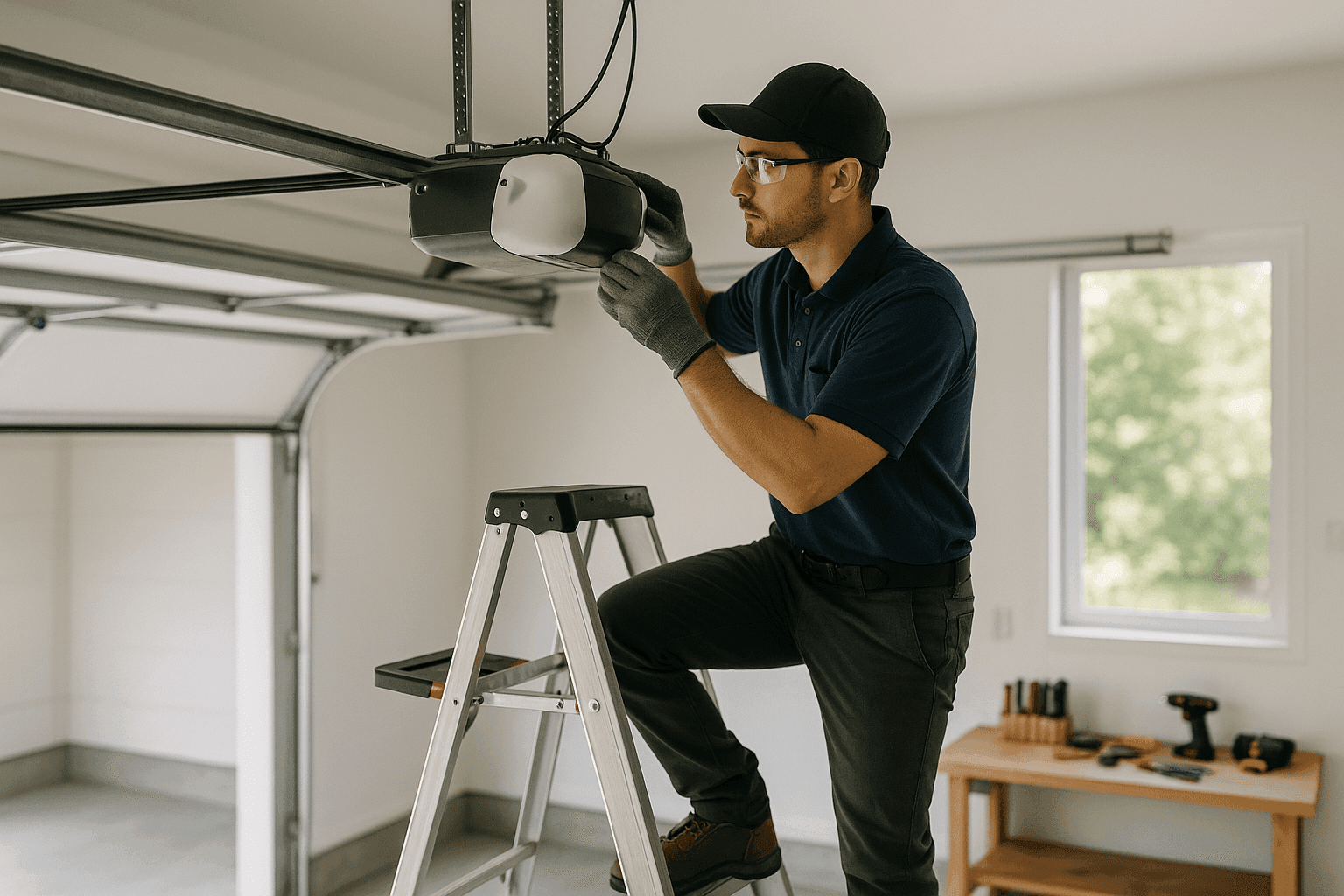
If your garage door isn’t behaving, you’re not alone. It’s the largest moving part of your home—so when it stutters, squeals, or simply won’t budge, it can throw off your whole day. At ANIGarage Doors, we know how frustrating garage door issues can be, especially when your car is trapped or your home security feels at risk.
But here’s the good news: Many garage door problems have telltale signs you can spot early. And knowing what you’re up against can save time, money, and even keep your family safe.
The Most Common Garage Door Problems (And What They Mean) 🛠️
Before you reach for your toolbox (or your phone), it helps to know what you’re dealing with. Here are the usual suspects:
- The door won’t open or close
You press the remote and…nothing. Or maybe it tries, then reverses. - Loud, grinding, or popping noises
Creaks, bangs, or shrieks aren’t just annoying; they signal worn parts. - Jerky or uneven movement
If your door shimmies, shakes, or appears crooked, something’s misaligned. - Unresponsive remote or keypad
The brain of your garage door opener may be the culprit—or the remote batteries. - Sagging sections or visible gaps
Weather, time, and daily use can warp or loosen door panels and seals.
Sound familiar? Let’s move to a quick diagnostic checklist.
Quick Safety Checklist
Garage doors are powerful machines. Even if you’re handy, never ignore these safety basics:
- Unplug the opener before inspecting electrical parts.
- Don’t remove or adjust springs or cables—they’re under extreme tension.
- Keep kids and pets clear of the door while testing.
- Use sturdy ladders and never overreach.
- If you see frayed cables, broken springs, or the door is off its tracks—stop and call a pro.
According to the U.S. Consumer Product Safety Commission, garage door springs and cables are a leading cause of home repair injuries. Always err on the side of caution.
DIY: What You Can Safely Check
Some fixes are within reach for most homeowners. Here’s what you can try before calling in the cavalry:
- Replace remote batteries or reprogram your remote/keypad.
- Clear debris from the garage door tracks.
- Check safety sensors—wipe them clean and realign if they’re blinking.
- Lubricate rollers and hinges with a silicone-based garage door lubricant (never grease or WD-40).
- Inspect weatherstripping—replace if brittle or missing.
If the door still misbehaves, or if the problem involves springs, cables, or heavy hardware, it’s time to call ANIGarage Doors.
Common Causes of Garage Door Failure
Think of your garage door as a relay race. If one runner stumbles, the whole team suffers. Here are the parts that most often trip up:
1. Broken Garage Door Springs
Springs do the heavy lifting. When they snap, the door won’t budge—or slams shut dangerously. Torsion and extension springs are both hazardous to replace.
2. Misaligned or Damaged Tracks
Bumps from a car or debris can bend tracks out of shape. When this happens, the rollers jump or stick.
3. Worn-Out Rollers
Like wheels on a shopping cart, old rollers squeak, jam, or cause jerky movement.
4. Faulty Safety Sensors
If your door reverses for no reason, sensors may be dirty, misaligned, or disconnected.
5. Cable Issues
Frayed or snapped lifting cables are a major red flag—never attempt to repair these yourself.
6. Malfunctioning Openers
Keypads, remotes, or the opener’s motherboard can fail after years of use or power surges.
When to Call a Pro (And What to Expect) 📞
There’s a clear line between what’s safe for DIY and what’s not. Here are the red flags:
- Snapped springs or cables
- Door off its tracks
- Panels visibly cracked or bent
- Electrical burning smell from the opener
- Door stuck half-open, especially during storms
Garage Door Springs near you, for example, require precise tools and training to replace. Reputable techs follow ANSI and DASMA safety standards to keep your home secure.
When a professional from ANIGarage Doors arrives, here’s what they typically do:
- Perform a multi-point inspection (springs, rollers, cables, sensors, opener)
- Test the balance and alignment of your door
- Identify worn or failing parts
- Offer clear repair options—no upselling or mystery fees
- Use manufacturer-approved parts and installation methods
Prevention & Maintenance Tips
Like changing oil in your car, garage door maintenance keeps costly repairs at bay. Here’s how to extend the life of your door:
- Lubricate moving parts every 6–12 months (rollers, hinges, springs, tracks)
- Test the auto-reverse feature monthly (place a block under the door—if it doesn’t reverse, call a pro)
- Tighten hardware—vibration loosens bolts and brackets over time
- Replace weather seals to keep out drafts, pests, and moisture
- Check the balance—disconnect the opener and lift the door halfway. If it falls or shoots up, springs may need adjustment
Refer to your door’s manufacturer manual or the International Door Association’s homeowner guidelines for more details.
What Do Garage Door Repairs Cost? How Long Will It Take?
No two repairs are exactly alike, but here’s what usually factors in:
- Type of repair (simple tune-up vs. spring or panel replacement)
- Parts needed (standard or custom)
- Emergency vs. scheduled
- Age and brand of your garage door/opener
Minor fixes (like sensor realignment or remote programming) can be done in under an hour. Spring or cable replacements, custom door panels, or opener installations may take two to four hours.
Expect higher costs for emergency, after-hours, or specialty parts. ANIGarage Doors always provides a transparent estimate before starting work.
Emergencies: When You Need Help Now 🚨
Some garage door problems can’t wait:
- Door stuck open during a storm—your home is exposed to weather and intruders.
- Door won’t open and your car is trapped—especially if you need to leave for work or school.
- Loud bang, dangling cables, or a crooked door—these signal broken springs or cables, which can snap without warning.
- Door slams shut or won’t stop moving—immediate safety hazard for people and pets.
In these cases, unplug the opener, keep everyone away from the door, and call a professional ASAP.
Frequently Asked Questions
Q: Why did my garage door suddenly stop working?
A: Most often, a broken spring, dead remote battery, or sensor issue is to blame. If the door is heavy or won’t move at all, it’s probably the spring.
Q: Is it safe to replace garage door springs myself?
A: No. Springs are under extreme tension and can cause serious injury or property damage. Only trained technicians with proper tools should attempt this repair.
Q: How often should I service my garage door?
A: Most manufacturers recommend annual maintenance. This catches worn parts before they break.
Q: Can I upgrade my old door with modern features?
A: Yes! New openers, keypads, insulated panels, and smart remotes can be added to many existing garage doors. Ask about compatibility.
Local & Seasonal Considerations for Garage Doors
If you live in an area with extreme temperatures, heavy storms, or lots of dust, your garage door faces extra challenges. Weatherstripping installation and insulated garage doors help protect against drafts and energy loss. After storms or high winds, always inspect your door for dents, misalignment, or stuck rollers.
Cold snaps can cause metal parts to contract, making doors harder to open. If you’re in a region with freezing winters, regular lubrication and weather seals are especially important.
A working garage door isn’t just convenient—it’s essential for your home’s safety and daily routine. If you’re facing a stubborn problem and aren’t sure what to do next, don’t risk your safety or your property.
Call ANIGarage Doors now — or reach us anytime at 855-538-5829 .