Essential Garage Door Maintenance: Prevent Costly Repairs Year-Round
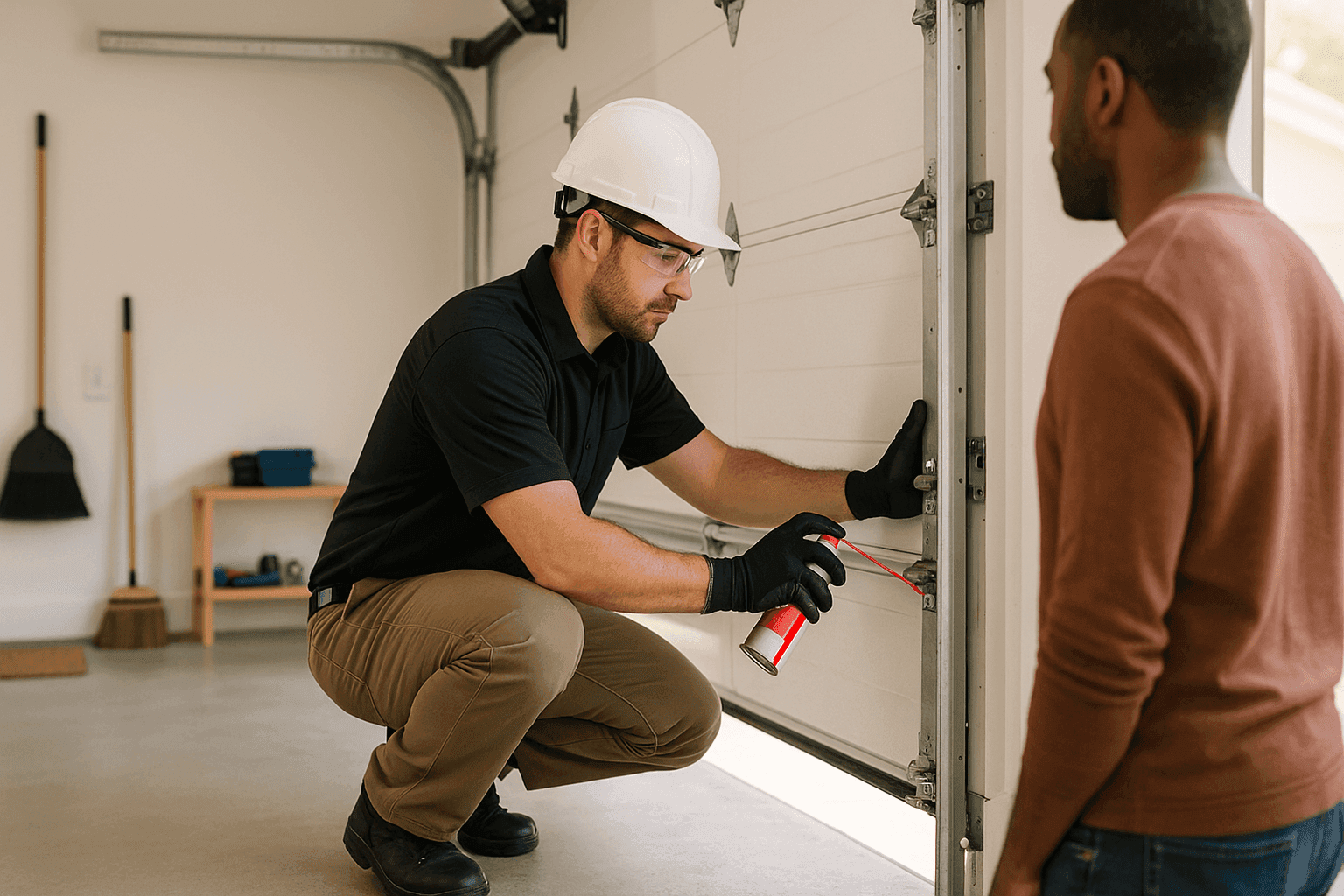
When garage doors work, life is smooth. When they don’t, everything grinds to a halt. At ANIGarage Doors, we know just how much that reliable up-and-down matters—especially when you least expect a problem.
Routine garage door maintenance isn’t just for peace of mind. It’s the difference between a simple tune-up and a costly emergency repair. Let’s explore how to keep your garage doors in top shape, year after year.
Why Regular Garage Door Maintenance Matters
A garage door is like the front gate to your home’s comfort and security. Ignore the little squeaks and you’re inviting bigger headaches—like snapped springs, stuck panels, or non-responsive openers.
According to the Door & Access Systems Manufacturers Association (DASMA), most breakdowns start as minor wear or skipped maintenance. The good news? With a little attention, you can catch issues early, saving time, money, and stress.
Quick Safety Checklist: Start Here 🛠️
A simple, regular routine can keep your garage doors running smoothly. Here’s what to check each season:
- Lubricate moving parts: Rollers, hinges, and tracks need a light, non-gummy lubricant every few months.
- Inspect weather seals: Look for cracks or gaps around the door. Replace worn weatherstripping to keep out drafts and water.
- Test garage door springs: With the door closed, disconnect the opener. Lift the door halfway by hand—it should stay in place. If not, spring tension may need adjustment.
- Clean safety sensors: Dust or spider webs can block the small “eyes” that prevent a closing door from hurting someone.
- Check rollers and tracks: Listen for grinding sounds. Watch for wobbles or visible dents.
This checklist isn’t just for show. It’s how you spot problems before they balloon into major repairs.
DIY vs. Call a Pro: Knowing Your Limits
Some jobs are like changing a lightbulb—easy and safe. Others, like balancing garage door springs or repairing cables, are as risky as wrestling a bear.
Safe DIY Tasks
- Wiping down tracks
- Lubricating rollers and hinges
- Tightening loose bolts (with the opener disconnected)
- Testing remote batteries
What’s Best Left to the Pros
- Garage Door Springs near you: High-tension springs can snap with force. Only a qualified technician should replace or adjust them.
- Cable repair: Don’t risk a snapped cable whipping loose.
- Opener repairs: Modern openers involve wiring, sensors, and programming that require experience.
- Panel or track replacement: One wrong move and your door could fall off-track or become misaligned.
The International Door Association (IDA) recommends professional servicing for anything involving springs, cables, or opener wiring.
What Pros Do On Arrival
When ANIGarage Doors technicians arrive, it’s more than a quick fix. Here’s what you can expect:
- Full inspection: We check every moving part, from Garage Door Rollers to opener settings.
- Spring and cable testing: Tension is measured against manufacturer guidelines.
- Sensor calibration: We ensure safety features are working as intended.
- Track and panel alignment: Misalignment is corrected for smooth, quiet operation.
- Weatherproofing: Seals are inspected and replaced as needed.
Our team follows safety codes from the American National Standards Institute (ANSI) and uses only approved replacement parts.
Prevention & Maintenance: Stay Ahead of Trouble
They say an ounce of prevention is worth a pound of cure. That’s especially true for garage doors. Here’s how to keep yours running strong:
- Monthly visual inspections: Scan for rust, loose bolts, or frayed cables.
- Quarterly lubrication: Use a silicone-based spray—not WD-40, which can attract dirt.
- Annual professional service: Schedule a tune-up even if nothing seems wrong.
- Keep the area clear: Boxes and clutter near tracks can cause jams.
- Test auto-reverse: Place a block under the door as it closes. If it doesn’t reverse, call for service.
Following manufacturer guidelines—not just gut instinct—makes all the difference.
Costs & Time Factors: What to Expect
Garage door maintenance is often more affordable than you think.
- DIY tasks: 15–30 minutes a month (just like watering the plants).
- Professional tune-up: Usually completed in under an hour.
- Repairs: Simple fixes like roller replacement or track adjustment may take under an hour; spring or cable repairs can take longer and are best left to pros.
Waiting until a problem becomes urgent can mean higher costs. Emergency service—especially after hours—often comes at a premium.
When It’s an Emergency
Storm? Freeze? Sudden breakdown? Here’s what to do:
- Don’t force the door: If it’s jammed or off-track, forcing it can cause more damage.
- Unplug the opener: Prevents electrical hazards if water leaks in.
- Secure the area: Keep kids and pets away from a malfunctioning door.
- Call for emergency garage door services: Especially if your car is trapped or you can’t secure your home.
Keeping ANIGarage Doors’ number handy means you’re never caught off guard.
FAQ: Your Garage Door Maintenance Questions
How often should I service my garage door?
Basic checks can be monthly, but plan for a professional tune-up once a year—just like you would for your HVAC.
Can I replace garage door springs myself?
It’s not recommended. Springs are under extreme tension and can cause serious injury.
Why is my garage door louder than usual?
Noise is often the first sign of worn rollers, lack of lubrication, or loose hardware. Address these early.
Do weather changes affect my garage door?
Absolutely. Cold can stiffen lubricants, while heat can expand metal parts. Check seals and lubrication with each season.
Local/Seasonal Considerations: Be Ready All Year 🌦️
Weather can be a garage door’s silent enemy. In winter, ice buildup can freeze your door shut. In spring, heavy storms can short out openers or soak weather seals. Here’s how to prepare:
- Before a storm: Test backup batteries in your opener and check seals for leaks.
- Before a freeze: Wipe away moisture from tracks and apply cold-resistant lubricant.
- After extreme weather: Inspect for rust or water damage, especially on springs and cables.
Regular, seasonal checks mean your garage doors are ready for anything.
A little attention now beats a big headache later. For safe, smooth, and reliable garage doors, trust the team that knows every bolt and spring.
Call ANIGarage Doors now — or reach us anytime at 855-538-5829 .