Choosing the Right Garage Door Opener: Features, Security, and Installation Tips
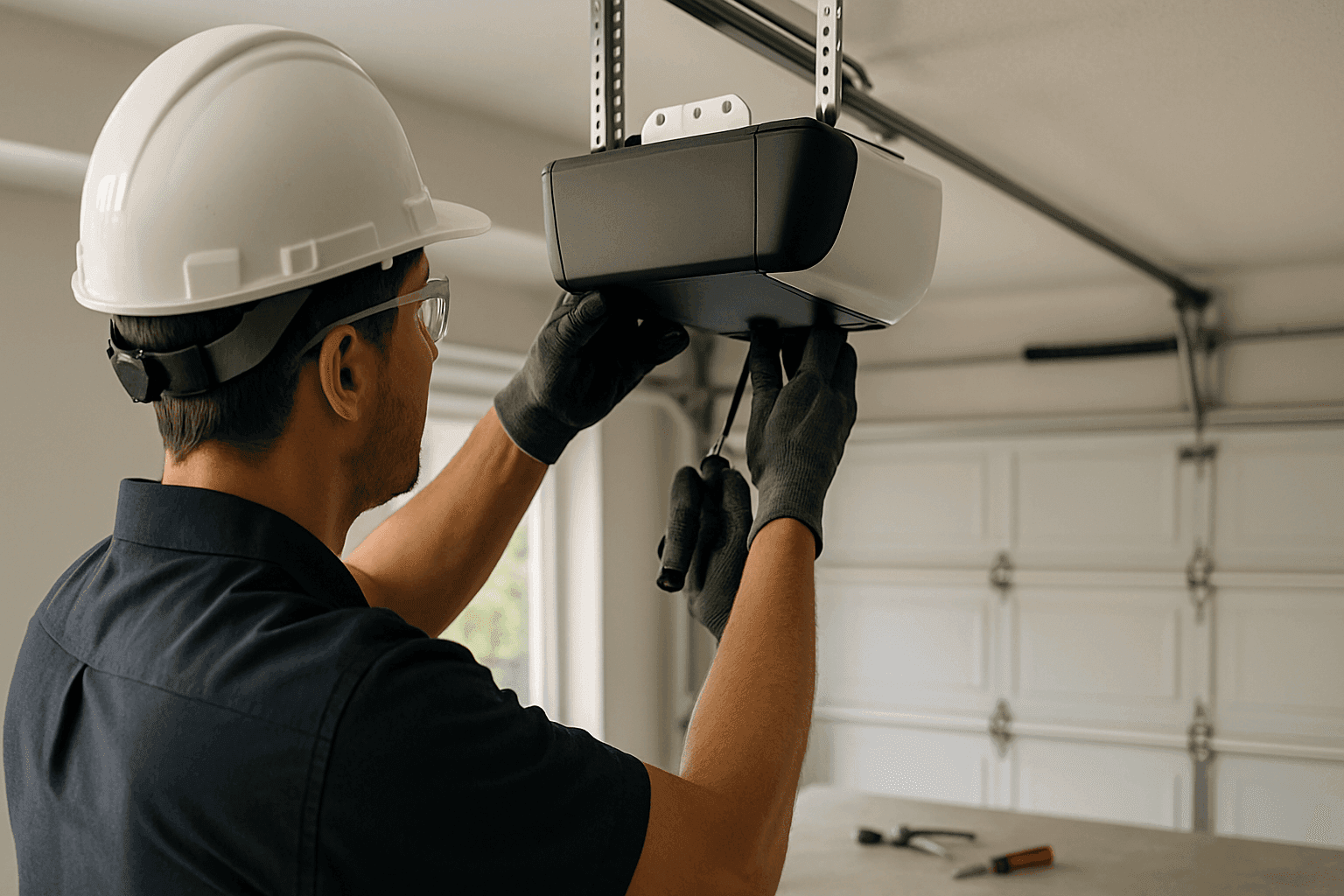
When the sun dips behind the rooftops and your garage door glides down for the night, you want to know it’ll open again—smoothly, quietly, and securely—when you need it most. Choosing the right garage door opener isn’t just about convenience. It’s about safety, peace of mind, and making sure your garage_doors work seamlessly with your day-to-day life.
At ANIGarage Doors, we help homeowners choose openers that match their garage, their routines, and their expectations for security. Let’s walk through the essentials, so you can select an opener that’s the perfect fit—not just for your garage, but for your family.
Why the Right Opener Matters
Think of your garage door opener as the unsung hero of your daily routine. It’s the handshake between your car and the sanctuary of your home. When it’s reliable, you hardly notice it. When it fails, your whole morning can unravel.
An outdated or poorly matched opener can lead to noisy disruptions, security gaps, or even a door that simply refuses to budge. And with new features emerging each year, picking the right one has never been more important—or more confusing.
Garage Door Opener Types: Comparing the Drive Systems
The heart of any opener is the drive system. Each type comes with its own rhythm and reason, like choosing between shoes for a hike or a formal dinner.
- Belt Drive: Think of this as the luxury sedan of garage door openers. It runs on a reinforced belt, making it whisper-quiet. Perfect for garages near bedrooms or living spaces.
- Chain Drive: The classic workhorse. Durable, strong, and a bit noisier—like work boots for your garage. Great for detached garages or when budget is a concern.
- Screw Drive: Less common, but reliable. It uses a threaded steel rod, requiring little maintenance. Performs well in climates with consistent temperatures.
- Direct Drive: The minimalist’s choice. Fewer moving parts, less noise, and less fuss—ideal for those who want simplicity and longevity.
Decision Checklist: What to Consider Before You Buy 🛠️
Before you even peek at product boxes or online reviews, run through this quick checklist:
- Door Weight & Size: Larger or insulated garage_doors need more power.
- Headroom: Low ceilings? Some openers need extra clearance.
- Noise Sensitivity: Is your garage attached to a living space?
- Smart Features: Do you want to control your garage door from your phone?
- Backup Battery: Crucial if you lose power often.
- Security Needs: Rolling code technology, keypad access, and vacation lockouts all add layers of safety.
- Compatibility: Will the new opener work with your current remotes or Garage Door Springs near you?
- Safety Sensors: Required by law in most areas since the 1990s (see Underwriters Laboratories UL 325 standard).
Smart Features & Security Upgrades
Modern openers do more than just open and close. They connect to your phone, send alerts, and even let you schedule access for deliveries or guests.
- Rolling Codes: Each time you use your remote, the security code changes, making it nearly impossible for would-be intruders to copy.
- Keypad Access: No more hunting for keys—just punch in your code.
- Holiday/Vacation Modes: Lock out all remotes for extra security when you’re away.
- Smartphone Integration: Open or monitor your garage from anywhere—ideal for busy families.
Security is about more than locks. It’s about layers. The right opener adds another, quietly guarding your home while you sleep.
Installation Tips: Getting It Right the First Time
Installing a garage door opener is like assembling a puzzle where every piece matters. Done right, you’ll enjoy years of smooth, safe operation. Done wrong, you risk noise, breakdowns, or even voided warranties.
Key Steps for Safe, Reliable Installation
- Check Alignment: Tracks, Garage Door Rollers, and opener rail must all be perfectly straight.
- Proper Mounting: The opener should be anchored into ceiling joists, not just drywall.
- Sensor Placement: Safety sensors should be no more than six inches off the ground, facing each other with an unobstructed path.
- Wiring: All wiring should be neat and secured, away from moving parts.
- Lubrication: Use the correct lubricant (never grease) on rollers and tracks.
- Test the Door Balance: A good installer checks that the door stays halfway open when released. If not, Garage Door Springs or cables may need attention.
Ensuring Compatibility with Existing Doors and Remotes
Not every opener is a perfect match for every garage. Before you commit, check:
- Opener Horsepower: Heavier or custom garage_doors require more power.
- Remote Frequencies: Some older remotes may not pair with newer systems.
- Garage Door Tracks & Rollers: Worn or mismatched hardware can cut short the life of your new opener.
- Weatherstripping & Seals: Major drafts or gaps? Address these for smooth operation and security.
If you’re upgrading, gather details about your current system: brand, model, and any previous repairs. This information speeds up installation and avoids compatibility headaches.
Quick Safety Checklist for Homeowners 📝
- Test auto-reverse sensors monthly with a roll of paper towels under the door.
- Keep remotes out of reach of children.
- Change keypad codes regularly.
- Check for loose hardware or frayed Garage Door Springs.
- Schedule annual garage door maintenance.
Following these steps isn’t just smart—it’s part of being a responsible homeowner.
DIY vs. Calling a Pro: What’s Right for You?
Installing a garage door opener might look simple in a video, but real life is less forgiving. Even a small mistake can lead to a stuck door, failed safety test, or worse—injury.
DIY makes sense if:
- You have experience with electrical and mechanical systems.
- You’re comfortable lifting and aligning heavy hardware.
- You can follow detailed instructions and safety codes.
Call ANIGarage Doors if:
- You want warranty protection and professional calibration.
- Your door is heavy, insulated, or custom-built.
- You’re not sure about wiring, sensors, or code requirements.
Professional installation isn’t just about tools—it’s about peace of mind.
What Pros Do On Arrival
When our technicians arrive, they get right to work:
- Inspect your existing garage_doors, tracks, and Garage Door Springs.
- Confirm opener compatibility and horsepower needs.
- Install mounting brackets and rails with precision.
- Align and calibrate safety sensors to industry standards.
- Program remotes, keypads, and test smartphone integration.
- Run multiple open/close cycles to ensure everything works smoothly.
- Clean up and answer any lingering questions before they leave.
Every step is backed by years of experience and a commitment to your safety.
Prevention & Maintenance
Like a car, your garage door opener needs regular checkups. Neglect leads to breakdowns and costly repairs. Simple steps can keep things running smoothly:
- Lubricate rollers, hinges, and tracks every six months.
- Replace weatherstripping as needed to keep out drafts and moisture.
- Test safety sensors and auto-reverse monthly.
- Listen for new noises—grinding or squeaking may signal worn parts.
- Schedule professional maintenance annually.
Stay ahead of issues, and your opener will serve you faithfully, year after year.
Costs & Time Factors: What to Expect
Garage door opener prices vary like tools in a hardware aisle. Here’s what affects the bottom line:
- Drive Type: Belt drives cost more but run quieter.
- Horsepower: More power means higher price, but essential for heavy or double garage_doors.
- Smart Features: App control, battery backup, and security upgrades add to the cost.
- Installation Time: Most professional installs take 2–4 hours, depending on complexity.
Don’t cut corners on installation. A little more investment up front can save you hassles—and money—down the road.
When It’s an Emergency
A stuck garage door is more than a nuisance. It can trap your car, leave your home exposed, or risk injury. Emergency garage door services are available for:
- Broken Garage Door Springs or cables.
- Jammed openers or rollers.
- Damaged safety sensors.
- Electrical or remote failures.
If your garage door won’t open or close, don’t force it. Call a professional right away to avoid further damage or risk.
Frequently Asked Questions
How do I know if my opener is compatible with my garage door?
Check the weight, size, and type of your garage_doors. Match opener horsepower and drive type accordingly. If unsure, call a pro for an assessment.
Are safety sensors required by law?
Yes. Since 1993, all residential garage door openers sold in the U.S. must include safety reversing sensors (UL 325 standard).
Can I use my old remotes with a new opener?
Sometimes, but not always. Frequency and coding technology may differ. Ask about universal remotes or consider upgrading for better security.
What’s the best way to secure my garage during vacations?
Use the vacation lockout mode on your opener, unplug the unit, and ensure keypad and remotes are inaccessible. For added peace of mind, have a professional inspect your system before you leave.
Local & Seasonal Considerations 🌦️
Climate affects garage door performance. In areas with extreme temperatures, insulated garage_doors and openers with battery backup are wise choices. Seasonal maintenance—especially before winter—can prevent stuck rollers, warped panels, and failed opener motors.
Humidity and salt (in coastal regions) can cause corrosion. Regular inspection and weatherstripping installation help prolong the life of your system.
Final Thoughts
Choosing the right garage door opener is more than ticking boxes on a feature list. It’s about fitting your lifestyle, securing your home, and ensuring years of reliable access. If you’re considering a new opener or need help with Garage Door Springs near you, ANIGarage Doors is ready to assist—professionally, promptly, and with your safety in mind.
Call ANIGarage Doors now — or reach us anytime at 855-538-5829 .